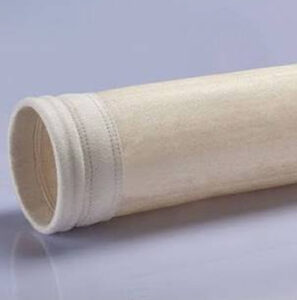
What Is Nomex Filter Bag? A Beginner’s Complete Guide
A dust collector can look ordinary from the outside while…
Read More →

In the world of industrial filtration, we often focus on the fabric. We spend hours picking the right material for our filter bags, but we sometimes forget the metal “skeleton” that holds them up: the bag filter cage. At ClipOn, we have seen firsthand how a rusty or corroded cage can destroy a brand-new filter bag in a matter of days.
If you want your filtration system to last, you must protect your cages. Corrosion is a silent killer that leads to holes in your bags, dust leaks, and expensive downtime. This guide will walk you through the best ways to keep your cages in top shape and why choosing the right industrial filters suppliers is your first line of defense.
Corrosion does not just look bad; it changes the texture of the metal. When a cage rusts, it becomes rough and scaly. As your filter bags pulse during the cleaning cycle, the fabric rubs against these rough spots. It is like rubbing a silk shirt against a piece of sandpaper.
The result?
The best way to prevent corrosion is to pick a cage that can handle your environment. At ClipOn, we tell our clients that “cheap” metal is a long-term mistake. Depending on your plant, you should look for:
Working with experienced industrial filters suppliers ensures you get a cage material that matches the “chemistry” of your air.
Most corrosion happens because of moisture. In a baghouse, if the temperature drops too low, the gases turn into liquid. This liquid mixes with dust to form acids that eat through metal.
To prevent this:
The air used to “pulse” and clean your bags comes from a compressor. If that air is wet, you are essentially shooting a mist of water directly onto your metal cages every few seconds.
Check your air dryers and filters daily. A simple water trap in your air line can be the difference between a cage that lasts five years and one that rusts in five months.
You should never put a new bag on an old, rusty cage. Every time you change your bags, take a moment to inspect the cages:
Corrosion can start even before the cage is installed. If you buy spare cages and leave them sitting on a damp warehouse floor, they will start to rust before they ever see a speck of dust.
Store your spare cages in a dry, covered area. Keep them off the ground on pallets and, if possible, keep them in their original plastic wrapping until you are ready to use them.
As your trusted industrial filters suppliers, ClipOn takes cage quality seriously. We don’t just focus on the metal; we focus on the finish. Our cages are engineered with:
To keep your system running smoothly, follow this simple cage maintenance plan:
Protecting your bag filter cage is the smartest way to protect your budget. By preventing corrosion, you make your filter bags last longer, reduce your labor costs, and keep your air cleaner.
At ClipOn, we provide the parts and the expertise you need to fight back against rust and wear. Don’t let a little corrosion turn into a big problem for your plant.
Is it time to upgrade your cages?
Don’t wait for your bags to start ripping. Visit ClipOn.io today to explore our full range of high-quality cages and coatings. Whether you need stainless steel for a chemical plant or galvanized steel for a workshop, our team is ready to help you find the perfect fit. Let’s work together to build a stronger, cleaner future for your facility.
A dust collector can look ordinary from the outside while…
Read More →
A baghouse problem rarely begins when someone notices dust. It…
Read More →
A filter bag rarely fails with a dramatic warning. More…
Read More →