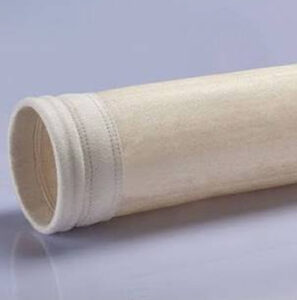
What Is Nomex Filter Bag? A Beginner’s Complete Guide
A dust collector can look ordinary from the outside while…
Read More →

Choosing a filter bag by material name alone is like selecting a tyre without knowing the vehicle, road or load. The best dust collector filter bags ideas are practical tools that turn operating conditions into better purchasing decisions. Start with a dust profile sheet, temperature logger, differential-pressure gauge, airflow test kit, inspection camera, leak-detection tool and lifecycle-cost tracker. Together, they help teams compare media, finishes, dimensions and cleaning compatibility using plant data rather than assumptions.
The first tool costs almost nothing: a one-page dust profile sheet. Record the process, dust source, particle characteristics, loading pattern and whether the dust is abrasive, sticky, hygroscopic, combustible or chemically aggressive. Add the gas composition when relevant.
Cement dust and flour may both look fine, but they do not behave identically inside a collector. Abrasive mineral dust can wear media, while moisture-sensitive dust may blind the surface when conditions change. A generic request for “high-efficiency bags” hides these differences.
Include a representative dust sample or particle-size analysis when justified. Among the most useful dust collector filter bags tips is this: describe the contaminant before discussing the fabric. The completed sheet gives manufacturers a sound basis for recommending polyester, aramid, polypropylene, PTFE or another suitable medium and finish.
An occasional reading cannot show startup spikes, overnight cooling or moisture events. A data logger records conditions over a full operating cycle.
Track normal temperature, short-duration peaks, inlet moisture and, where possible, the relationship between operating temperature and dew point. Condensation can make dust sticky, increase resistance and contribute to blinding. Excessive heat can damage media selected only for normal conditions.
For example, a process reported at 150°C may briefly rise during upset conditions. That peak can influence media selection. Logging several shifts before requesting quotations is one of the dust collector filter bags best practices that makes comparisons more meaningful.
Differential pressure measures resistance across the bags. More importantly, its trend helps explain what is happening inside the baghouse.
A gradual rise may indicate dust-cake buildup, ineffective cleaning or blinding. A sudden drop can point towards a leak, damaged bag or system change. A stable trend within the collector manufacturer’s operating range generally suggests filtration and cleaning are balanced.
Use a correctly ranged gauge or transmitter, verify calibration and record readings against production rate. Comparing pressure without airflow or output can mislead. A plant processing half its normal volume may show a comfortable reading while hiding a developing problem. Trend data also gives suppliers better evidence than “the bags block too quickly.”
A filter bag cannot correct poor duct design, an incorrect fan setting or uneven airflow. A pitot tube, manometer or suitable instrument helps technicians measure velocity and calculate airflow at defined test points.
Combine airflow with total filtration area to review the air-to-cloth ratio. It should be evaluated for the particular dust, cleaning system and collector design; no universal value suits every plant. High local velocity can drive dust into the media or accelerate abrasion, while insufficient capture velocity may let dust escape at the source.
This tool turns the best dust collector filter bags ideas into a system check: confirm whether the bag is the root cause before changing it.
A compact inspection camera, bright light and checklist can reveal problems that pressure readings cannot locate. During safe shutdown and isolation, inspect bags, cages, tube-sheet seals, venturis, clean-air plenum and hopper condition.
Look for holes, pinching, abrasion lines, failed seams, loose snap bands, corrosion, bent cage wires and clean-side dust trails. Damage repeated at the same height across several bags may suggest cage or inlet-flow problems rather than unsuitable media.
Photograph findings and label the compartment and bag position. This creates a failure map for comparison after corrective work. Never open or enter collector areas without following the facility’s isolation, lockout and confined-space procedures.
Visual checks happen during shutdowns, but emissions problems may begin while the collector runs. Depending on the system, teams may use fluorescent leak-detection powder during controlled testing or an appropriate particulate monitor.
Leak powder can help locate compromised bags or seals when used according to instructions. A particulate monitor can flag changes that deserve investigation, but it does not automatically identify the failed component or replace a required compliance test.
Instead of replacing an entire compartment based on suspicion, maintenance teams can narrow the search, confirm the defect and document the response.
The lowest quotation is not always the lowest-cost option. Build a tracker containing bag price, quantity, installation labour, operating hours, pressure trend, cleaning frequency, downtime and replacement date.
Calculate cost per operating month or tonne processed. A bag set costing 15% more may offer better value if plant records show longer service, fewer interventions or lower resistance under comparable conditions. Compare like-for-like periods so lighter production does not distort the result.
This tool helps procurement and maintenance speak the same language. It also gives suppliers clear performance expectations instead of vague durability claims.
Effective selection is not a hunt for one “best” fabric. It is a disciplined match between dust, temperature, moisture, chemistry, airflow, cleaning method, dimensions and commercial priorities. These tools close the gap between catalogue specifications and operating conditions.
ClipOn offers dust collector filter bags in multiple media, configurations and finishes, together with compatible filter cages for varied industrial applications. Share your process data and system requirements with the technical team to evaluate a suitable configuration. View ClipOn Dust Collector Filter Bags and Cages and start your selection with evidence, not guesswork.
A dust collector can look ordinary from the outside while…
Read More →
A baghouse problem rarely begins when someone notices dust. It…
Read More →
A filter bag rarely fails with a dramatic warning. More…
Read More →