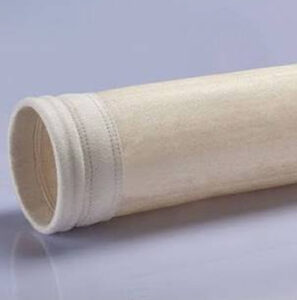
What Is Nomex Filter Bag? A Beginner’s Complete Guide
A dust collector can look ordinary from the outside while…
Read More →

In a clinker grinding unit, the air is thick, hot, and incredibly abrasive. The dust produced during the grinding process is heavy and prone to packing tightly against your filter bags. At ClipOn, we know that the “pulse-jet” system is the heartbeat of your baghouse. If the pulse-jet logic is wrong, your bags will fail fast. If it is right, your filters can last for years.
In this blog, we will look at how to optimise your pulse-jet cleaning logic to save energy and protect your investment.
A pulse-jet system works by firing a quick, high-pressure blast of compressed air into the bag. This blast creates a “shockwave” that suddenly expands the bag. This movement snaps the dust cake off the fabric’s surface.
Many plants operate their pulse-jet systems on a simple fixed-timer logic. For example, the system pulses every 10 seconds regardless of how much dust is actually on the bag. At ClipOn, we believe this is a mistake. It is like cleaning your clothes even when they are not dirty—it just causes unnecessary wear and tear.
The most effective way to manage your baghouse is through Differential Pressure (DP) control. Instead of a timer, your PLC (Programmable Logic Controller) should trigger a pulse only when the DP reaches a certain high point.
By pulsing only when needed, you reduce the number of cycles your bags go through. This drastically reduces “flex-fatigue” and extends the life of your ClipOn filter bags.
How hard and how long should you pulse? This is a balance of physics.
A common problem in clinker grinding is re-entrainment. This happens when the dust you just knocked off the bag gets sucked right back onto the neighbour’s bag because the air is moving too fast.
To prevent this:
At ClipOn, we design our filter bags to handle the physics of the pulse-jet system perfectly.
To keep your pulse-jet logic healthy, share this checklist with your team:
The logic you choose for your pulse-jet system defines how long your plant runs before a shutdown. By switching to DP-based cleaning and carefully tuning your pulse duration, you can move from a “reactive” maintenance cycle to a “predictive” one.
At ClipOn, we are here to support you with more than just high-quality filter bags. We are here to help you optimise the “heartbeat” of your baghouse.
Are you pulsing too often? Visit us at www.clipon.io to learn more about our range of high-performance bags and how they can handle the unique rigours of your clinker grinding process. Let’s keep your plant running smoothly, pulse after pulse.
A dust collector can look ordinary from the outside while…
Read More →
A baghouse problem rarely begins when someone notices dust. It…
Read More →
A filter bag rarely fails with a dramatic warning. More…
Read More →