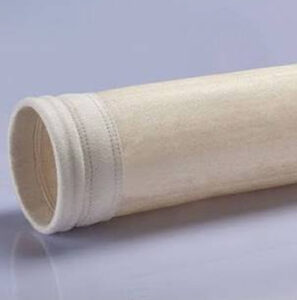
What Is Nomex Filter Bag? A Beginner’s Complete Guide
A dust collector can look ordinary from the outside while…
Read More →

In the world of industrial power and heating, the boiler is the heart of the plant. But a heart is only as healthy as its ability to breathe. If your boiler’s exhaust system is clogged or inefficient, the whole system suffers. This is where the boiler bag filter comes in.
Many plant managers see filtration as a “tax”—a cost they have to pay just to stay in business. At ClipOn, we want to change that view. When you invest in high-grade industrial filters, you aren’t just spending money; you are protecting your profits. This guide will break down the true costs and the massive benefits of choosing quality over the lowest price.
It is very tempting to buy the cheapest filter bags available. On a spreadsheet, it looks like a win. You save a few thousand dollars upfront. However, in a high-heat boiler environment, cheap fabrics reveal their true cost very quickly.
Low-grade bags often suffer from:
When a cheap bag fails, the “savings” vanish. You are left with the cost of new bags, the labor to install them, and the huge cost of lost production while the boiler is down.
When we talk about “high-grade” at ClipOn, we are talking about specialized materials like PPS, Aramid, or Fiberglass with ePTFE membranes. Here is why they are worth the investment:
A boiler environment is a furnace. Standard polyester will melt or shrink in these conditions. High-grade bags are built to handle constant temperatures of 180°C to 250°C. This means they stay flexible and strong, month after month.
Boiler exhaust is often acidic. Cheap bags will literally fall apart when they touch these gases. High-grade PPS (Ryton) bags are chemically “tough.” They resist the corrosive “soup” of flue gas, ensuring your filters don’t turn into rags after a few weeks.
This is the “hidden” benefit. High-grade filters with smooth surface finishes allow dust to drop off easily. Because the bags stay cleaner, your fans don’t have to fight to pull air through them. This can reduce your electricity bill by 5% to 10%—a saving that adds up to huge numbers over a year.
Let’s look at the numbers. Imagine two scenarios for a mid-sized boiler:
| Factor | Low-Grade Bags | High-Grade ClipOn Bags |
| Initial Cost | $5,000 | $10,000 |
| Filter Life | 6 Months | 24 Months |
| Change-outs (2 years) | 4 times | 1 time |
| Total Bag Cost | $20,000 | $10,000 |
| Labor & Downtime | High (4x) | Low (1x) |
Even though the high-grade bags cost twice as much on day one, they are 50% cheaper over two years. And that doesn’t even include the energy savings!
In many regions, air quality rules for boilers are very strict. If your boiler bag filter fails, you might see “black smoke” from your stack. This can lead to:
Investing in quality is the best “insurance policy” your plant can buy.
Filtration is a science, not just a sewing job. As a leading name in industrial filters, ClipOn doesn’t just sell you a bag. We look at your boiler’s fuel (coal, biomass, or oil) and your operating heat.
We then engineer a bag with the right “weight” and “finish.” This ensure the bag doesn’t just survive—it thrives. Our bags are triple-stitched and use reinforced top-caps to prevent the “blowouts” that commonly happen in high-pressure boiler systems.
If you decide to go with high-grade filters, follow these steps to make them last even longer:
In a boiler house, the goal is always “uptime.” You want your system running smoothly with as few interruptions as possible. While high-grade boiler bag filters require a larger check on day one, they pay for themselves many times over. They offer better safety, lower energy costs, and the peace of mind that comes with a clean stack.
Are you ready to stop wasting money on “cheap” filters?
Don’t let poor filtration hold your boiler back. Visit ClipOn.io today to talk with our experts. We can help you perform a specific cost-benefit analysis for your site and show you exactly which industrial filters will give you the best return on your investment. Let’s work together to make your plant more efficient and profitable.
A dust collector can look ordinary from the outside while…
Read More →
A baghouse problem rarely begins when someone notices dust. It…
Read More →
A filter bag rarely fails with a dramatic warning. More…
Read More →