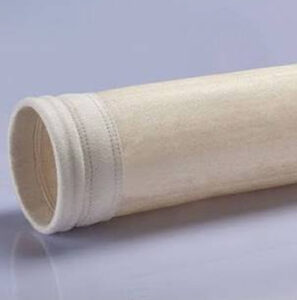
What Is Nomex Filter Bag? A Beginner’s Complete Guide
A dust collector can look ordinary from the outside while…
Read More →

To the untrained eye, an air slide fabric looks like a basic strip of heavy canvas cloth. But in reality, these textiles are highly advanced pieces of industrial engineering. This is especially true when the fabric is deployed inside an aluminum manufacturing plant.
Alumina is an unforgiving material. It is highly abrasive, chemically dry, and often moves at elevated temperatures. If a fabric is too weak, it will tear open within weeks. If the weave is too tight, air will not pass through efficiently.
Let us dive into the material science and manufacturing details that make ClipOn air slide fabrics tough enough to survive the demands of alumina conveying.
ClipOn uses premium raw materials to weave their fluidizing fabrics. Depending on your plant’s exact heat and dust levels, they offer a variety of synthetic fibers:
The most critical factor in any air slide fabric is its permeability. This tells us how much air can pass through a square meter of fabric at a specific pressure rate.
If the air flows unevenly, you get turbulent bubbles that kick up dust or dead zones where the material stalls out. ClipOn uses heavy-duty, high-density looms to ensure the weave is perfectly uniform from end to end. Every square inch of the fabric breathes at the exact same rate, leading to stable, calm material fluidization.
Alumina powder is incredibly dense and heavy. When tons of material sit on top of a conveyor line, it puts immense physical pressure on the fabric underneath.
Cheap fabrics will stretch out, sag in the middle, or pull away from the side gaskets. When a fabric sags, alumina leaks into the lower air chamber, ruining the system. ClipOn fabrics feature excellent tensile strength. They stay flat and rigid even under heavy structural loads.
Material handling is the backbone of your factory’s success. Using cheap, generic textiles in an alumina line is a recipe for system failure. Investing in precision-engineered air slide fabrics ensures your pneumatic systems run smoothly without any leaks or drops.
Give your industrial lines the quality support they deserve.
Ready to explore the technical specifications? Visit ClipOn today to view their full material product sheets and select the perfect width for your chutes!
A dust collector can look ordinary from the outside while…
Read More →
A baghouse problem rarely begins when someone notices dust. It…
Read More →
A filter bag rarely fails with a dramatic warning. More…
Read More →