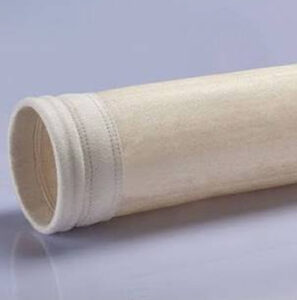
What Is Nomex Filter Bag? A Beginner’s Complete Guide
A dust collector can look ordinary from the outside while…
Read More →

For decades, the industrial filter bag was seen as a simple commodity—a basic fabric tube designed to catch dust. But as industries have grown and environmental laws have tightened, that “simple tube” has undergone a massive transformation. Today, the technology behind air filtration is as advanced as the machinery it protects.
At ClipOn, we have been at the front row of this change. As a dedicated filter bags manufacturer, we have seen how new materials and smart designs are helping plants run cleaner and longer than ever before. This guide looks at how far we have come and what the latest innovations mean for your facility.
In the early days of industrial growth, filter bags were often made of simple cotton or wool. While these worked for basic dust, they couldn’t handle the heat of a furnace or the chemicals of a processing plant.
Modern fabric bag manufacturers now use a “menu” of synthetic fibers, each built for a specific fight:
By moving to these synthetics, plants can now operate in environments that would have been impossible 40 years ago.
The biggest “game-changer” in recent years is the ePTFE membrane. Imagine a standard filter bag as a net. While it catches big fish, the small ones can swim through. To catch the tiny particles, you need a finer mesh.
A membrane is a very thin, “slick” layer bonded to the surface of the fabric. It acts as a shield, stopping dust at the very surface. For you, this means:
Leading fabric bag manufacturers are no longer just weaving cloth; they are treating it with chemistry to make it work harder. At ClipOn, we offer several specialized finishes:
It isn’t just the fabric that has evolved; it is how the bag is put together. In the past, bags would often fail at the seams. Today, a top-tier filter bags manufacturer uses:
You might wonder if these high-tech features are worth the cost. For most plants, the answer is a clear “yes.” Better technology leads to:
As we look ahead, the bond between a plant and its filter bags manufacturer will only get closer. We are moving toward “smart” filtration where we can use data to predict exactly when a bag will fail.
At ClipOn, we continue to invest in new ways to make our products tougher and more efficient. We don’t just want to sell you a bag; we want to provide the technology that keeps your business moving forward in a greener, cleaner world.
With so many options, how do you choose? Our advice is simple:
The evolution of the filter bag has turned a simple tool into a high-performance asset. By embracing these new technologies, your plant can become safer, more efficient, and more profitable.
Are you ready to upgrade your filtration technology?
Don’t stay stuck in the past with old, inefficient bags. Visit ClipOn.io today to see our full range of modern filtration solutions. From ePTFE membranes to custom-engineered bags, our team is ready to help you find the next generation of filters for your plant. Let’s work together to clear the air.
A dust collector can look ordinary from the outside while…
Read More →
A baghouse problem rarely begins when someone notices dust. It…
Read More →
A filter bag rarely fails with a dramatic warning. More…
Read More →