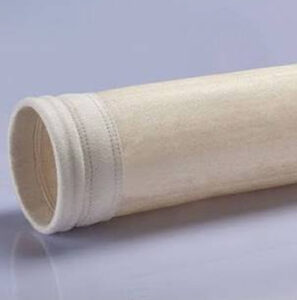
What Is Nomex Filter Bag? A Beginner’s Complete Guide
A dust collector can look ordinary from the outside while…
Read More →

In the chemical and pharmaceutical worlds, precision is everything. A small change in a formula can change a product entirely. The same is true for your air and liquid filtration. When you are making medicine or processing chemicals, you cannot afford “good enough.” You need absolute purity.
At ClipOn, we know that these industries face the toughest standards. Between strict safety rules and the need for high product purity, your choice of filtration is a major business decision. This guide will help you understand how to choose the right tools and why working with a trusted filter bags manufacturer is the key to your success.
Most industrial plants deal with dust and dirt. Chemical and pharma plants deal with “active ingredients.” This creates three unique challenges:
Using the right industrial filters isn’t just about cleaning the air; it’s about protecting your brand and your people.
As a leading filter bags manufacturer, we offer a wide range of fabrics. For chemical and pharma use, the material choice usually comes down to three main options:
This is the gold standard for high-stakes chemistry. PTFE is almost completely inert, meaning it won’t react with the chemicals you are processing. It handles high heat and has a very slick surface, so “sticky” powders fall right off during cleaning.
If you are dealing with liquids or wet chemicals at lower temperatures, polypropylene is a great choice. It resists acids and bases very well and does not absorb moisture. It is a cost-effective way to get high-quality filtration in less extreme heat.
In many pharma plants, fine powders can create static electricity. A small spark can lead to a fire or explosion. We manufacture bags with conductive fibers (like stainless steel or carbon) woven right into the fabric. This safely bleeds off static to keep your plant safe.
In the pharmaceutical world, “fine” isn’t fine enough. You often need to catch particles that are too small for the human eye to see.
At ClipOn, we often recommend a special ePTFE membrane. This is a very thin layer added to the surface of the filter bag. While a standard bag might let tiny particles pass through the fabric, a membrane stops them at the very surface. This gives you two big wins:
While many think of “dust collectors,” the chemical and pharma sectors also rely heavily on liquid industrial filters. Whether you are filtering a solvent or a finished liquid medicine, the goal is the same: remove the bad, keep the good.
Liquid filter bags need to be “food grade” or “pharma grade.” This means the fabric itself cannot leak any chemicals or fibers into your product. We take great care in our manufacturing process to ensure our bags meet these high-purity standards.
Even the best filter bag will fail if it isn’t cared for. Here is how to get the most out of your system:
We understand that in your industry, there is no room for error. A failed filter can lead to a batch rejection, a safety fine, or a plant shutdown. That is why we focus on quality above all else.
Our bags are built to handle the most demanding chemical environments. From the heat of a drying oven to the corrosive nature of an acid tank, our industrial filters are designed to keep you running smoothly and safely.
Choosing a filter bag might seem like a small detail in a massive plant, but it is a detail that carries a lot of weight. The right bag saves you money, keeps your product pure, and keeps your workers safe.
Are you ready to optimize your filtration? Don’t leave your product purity to chance.
Visit ClipOn.io today to explore our full range of solutions for the chemical and pharmaceutical industries. Whether you need custom sizes, special materials, or technical advice, our team is here to help. Let’s make sure your filtration is as precise as the products you make.
A dust collector can look ordinary from the outside while…
Read More →
A baghouse problem rarely begins when someone notices dust. It…
Read More →
A filter bag rarely fails with a dramatic warning. More…
Read More →