
Mostly by studying the environment — the temperature, the type of dust, the chemicals involved, the velocity, and how the existing system behaves. The right combination usually becomes obvious once these things are understood.


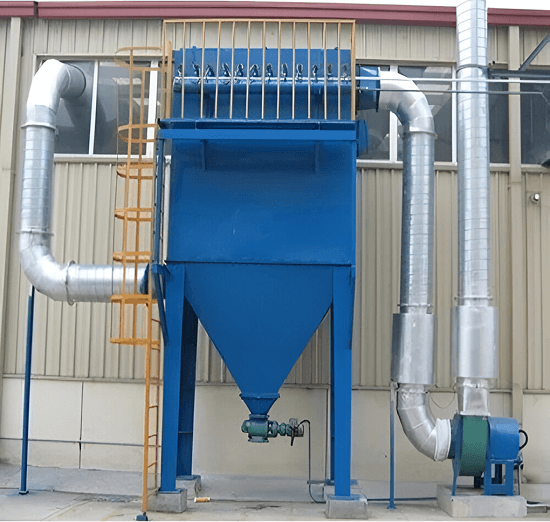
In most industries, downtime is expensive. A filtration system that clogs too quickly or simply can’t withstand the actual conditions of the plant ends up costing far more than the filter itself. That’s why ClipOn has spent years understanding what really affects filtration performance — not on paper, but on the shop floor.
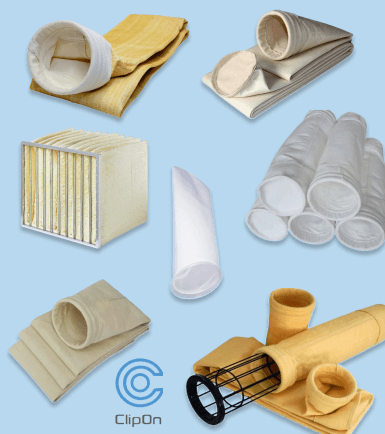
It’s never about just one fabric. Different plants demand different media because the dust behaves differently. ClipOn works with:
These materials are chosen based on what the environment is like — heat, chemical exposure, dust size, and even how frequently the system cleans itself. Many teams that switch to a ClipOn system notice that simply using the right fabric can completely change how stable their air pollution control bag filter feels from day to day.
Ask anyone who maintains dust collectors and they’ll tell you the same thing: even a good filter becomes frustrating when dust sticks to it. That’s why surface finishing ends up being such a big deal. ClipOn puts a lot of attention into this part because the finish often decides how long the filter stays efficient.
Some of the finishes that plants rely on:
With these, filters take longer to clog, release dust more easily during cleaning, and maintain airflow without forcing the system to work too hard. It’s a small detail that makes a big difference, especially when your air pollution control bag filter has to run without constant attention.
View our products now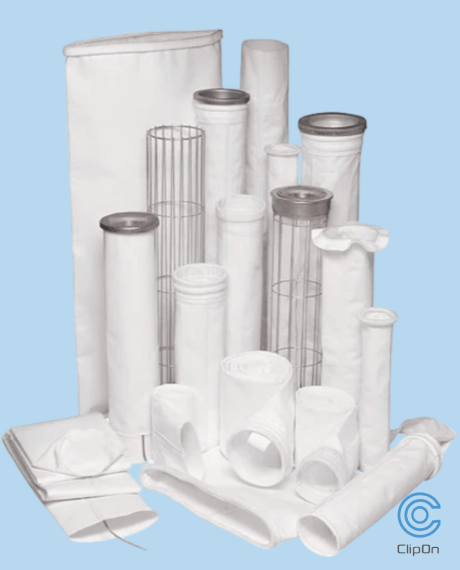
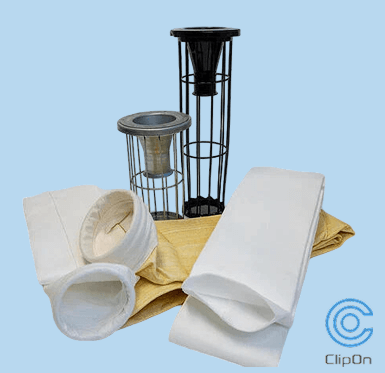
Every dust collector has its quirks. Some are old machines that have been tuned so many times that only a very specific bag shape fits correctly. Others are new systems with tight tolerances. ClipOn doesn’t expect one design to solve everything — so we make several.
The options include:
Reverse Air Bag House systems need durability and precision, otherwise the performance dips quickly. ClipOn’s RABH solutions include the right fittings, J-hooks, D-caps, springs, stainless clamps — the works. Plants that rely on these systems generally stick with ClipOn because the bags last, seal well, and keep airflow steady. A well-fitted air pollution control bag filter in an RABH setup often ends up reducing the number of shutdowns the plant experiences over the year.
Real operating conditions rarely match the controlled numbers in a brochure. Temperatures fluctuate, dust loads spike without warning, and some materials behave unpredictably when exposed to moisture or chemicals. ClipOn filters are designed with that in mind.
They perform steadily in situations like:
When your equipment depends on consistent airflow, the value of a solid air pollution control bag filter becomes very clear. It’s not just about filtration — it’s about keeping everything else stable.
Visit ClipOn now
Yes. The finishes, especially the glazed and PTFE membrane ones, help dust slide off more reliably during cleaning.
That’s fairly common. ClipOn can customize bag sizes and stitching so the filter fits exactly as needed.
Cement plants, steel mills, foundries, food processors, boilers, chemical units — basically any place dealing with heavy or fine particulate matter.
They hold their structure better, maintain sealing more consistently, and handle airflow changes without tearing or deforming. That stability reduces the stress on the rest of the system.