High Temperature Filter Bags Benchmarks: What “Good” Looks Like in 2026
What does “good” really look like when a filter bag…
Read More →

Buying a heat-resistant filter bag is not the same as ordering a standard replacement part. The supplier must understand temperature, dust chemistry, baghouse design, cleaning, and emission goals before recommending media for your plant. To choose high temperature filter bags step by step, first document your process, then test the supplier’s technical depth, customization, quality controls, and support. The right partner should explain material fit, identify risks, and provide a complete bag-and-cage solution—not simply quote the highest temperature rating.
Before contacting suppliers, create a one-page “process passport.” Record normal and peak temperatures, spike duration, gas composition, moisture, dust type, particle size, abrasion, airflow, and emissions targets.
Add bag dimensions, cleaning method, pressure range, cage condition, and previous failures. A credible specialist asks for this information; a weak seller jumps directly to price.
For example, two boilers may both run at 200°C, yet need different media. A dry, mildly abrasive stream could suit aramid, while an acidic, moist stream may require PPS or PTFE. Temperature never tells the full story.
Ask the supplier to compare suitable media and explain the trade-offs. Aramid offers heat resistance and mechanical strength. Fiberglass can handle very hot gas but needs careful handling, suitable finishes, and controlled cleaning. PPS performs well in many acidic environments but requires attention to oxygen and temperature. P84 supports effective surface filtration. PTFE provides broad chemical resistance.
ClipOn fiberglass filter bags can operate up to 260°C. Its PTFE bags are presented for continuous temperatures up to 260°C and brief peaks up to 300°C. These are reference points, not guarantees. Construction, finishes, process chemistry, and exposure time still matter.
A strong partner will distinguish continuous temperature from surge temperature and check every component’s thermal limit.
“Custom made” should mean more than changing length and diameter. Ask whether the supplier can specify the top and bottom construction, seam pattern, scrim, reinforcement, membrane, surface treatment, grounding features, cage metal, cage coating, venturi, and fastening system.
The bag and cage must function as one assembly. Rough welds, incorrect cage diameter, poor alignment, or sharp edges can damage premium media quickly. Request drawings and verify tolerances against the tube sheet and cleaning system.
Useful high temperature filter bags examples include PTFE membrane media for fine, difficult-to-release dust; acid-resistant PPS for appropriate boiler gases; and treated fiberglass for hot, abrasive cement or power applications. Each solves a different operating problem.
Do not accept “premium quality” as evidence. Ask what the supplier measures and records. Relevant checks may include fabric weight, thickness, permeability, tensile strength, dimensions, seam quality, finish consistency, cage straightness, weld integrity, and fit.
Request an inspection report, data sheet, traceability method, and approved drawing. Confirm whether incoming material, production, finishing, and dispatch are inspected separately.
Also ask how the company handles a failed batch or incorrect fit. A reliable partner should have a documented corrective-action process, not an informal promise.
Marketing claims become meaningful only when connected to operating conditions. Request case studies or references from comparable industries, temperatures, dust loads, and gas chemistry.
Do not rely only on a lifespan statement. A bag lasting four years in a stable dry process may fail within months in a condensing, corrosive system. Ask for the operating range, cleaning frequency, differential pressure, reason for replacement, and improvements achieved.
Useful evidence may be modest: lower pressure drop, fewer broken bags, longer replacement intervals, reduced visible emissions, or more predictable shutdowns.
A low purchase price can become expensive when bags blind early, cages damage the fabric, or replacements require repeated shutdowns. Compare quoted cost with expected service life, energy demand, maintenance labour, disposal, installation, and production loss.
Ask suppliers to explain their recommendation financially. They should identify where better dust release, stable airflow, or longer intervals could reduce operating cost.
One of the most useful high temperature filter bags tips is to compare all bids against the same process passport. Otherwise, suppliers may quote different constructions that look comparable but are not.
Pay attention to the questions asked during the sales process. Does the team challenge incomplete data? Do they flag condensation, chemical incompatibility, or temperature spikes? Can they assist with installation, start-up checks, troubleshooting, and failure analysis?
Good practice continues after delivery. Your partner should help establish inspection intervals, differential-pressure monitoring, cleaning settings, and records for temperature excursions.
Score each supplier on application understanding, media justification, customization, quality documentation, evidence, lifecycle value, delivery reliability, and technical support. Give technical fit more weight than price.
The right partner will make your decision clearer, not overwhelm you with unsupported superlatives. Explore ClipOn’s dust collector filter bags and cages to discuss a configuration built around your operating data, equipment, and filtration goals.
What does “good” really look like when a filter bag…
Read More →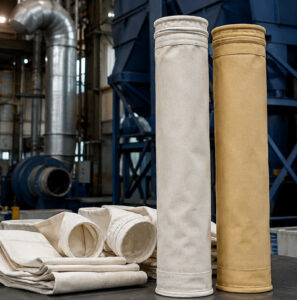
A normal filter bag can collect dust efficiently until hot…
Read More →
A filter bag suppliers step by step workflow should automate…
Read More →