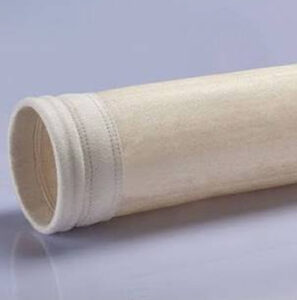
What Is Nomex Filter Bag? A Beginner’s Complete Guide
A dust collector can look ordinary from the outside while…
Read More →

Securing high-quality fibreglass bags used in cement raw mill sections from a trusted vendor like ClipOn is a great investment. But even the best industrial filters will not perform at their peak if they are handled or monitored incorrectly.
Raw mills present a rough environment. Because the stone dust is so sharp and heavy, a little preventative maintenance goes a long way. By following a few basic operational rules, you can maximize the service life of your fibreglass bags and avoid unexpected downtime.
Let us explore the top operational best practices for maintaining your industrial filter bags.
While fibreglass has incredible tensile strength and heat resistance, it can be sensitive to sharp bending or rough handling during installation. If a worker folds the bag too sharply or jams it carelessly into the baghouse tube sheet, the fine glass fibers can fracture.
Always handle fibreglass bags with care. Slide them smoothly over the steel support cages without twisting or forcing them. This protects the glass threads from structural damage before the system even starts running.
The raw materials entering a cement mill—like clay and limestone—often contain natural moisture. When hot gases dry these stones, a lot of water vapor is released into the baghouse. If the temperature inside the baghouse drops below the dew point, this vapor will condense into water droplets.
Liquid water mixed with stone dust creates a thick crust that plugs up the fabric pores. Ensure your baghouse insulation is completely intact to maintain a steady temperature well above the dew point, keeping the system dry.
To clear off accumulated dust, your system shoots blasts of compressed air down into the bags. If your cleaning pulse pressure is set too high, it will slam the fabric violently against the internal steel cages. This harsh movement can crack the glass fibers over time.
Set your cleaning cycles to run based on the differential pressure gauge rather than a simple continuous timer. This ensures your bags are only cleaned when they actually need it, reducing unnecessary physical wear on the fabric.
Durable fibreglass bags used in cement raw mill sections are built to survive tough conditions, but proper care makes them truly unstoppable. Giving them the right operating environment ensures they deliver clean air, low energy costs, and reliable uptime for years to come.
Partner with a real industrial team that provides full technical support from purchase to installation.
Need expert maintenance advice for your system? Visit ClipOn today to access their full resource library or connect with a technical support specialist for your plant!
A dust collector can look ordinary from the outside while…
Read More →
A baghouse problem rarely begins when someone notices dust. It…
Read More →
A filter bag rarely fails with a dramatic warning. More…
Read More →