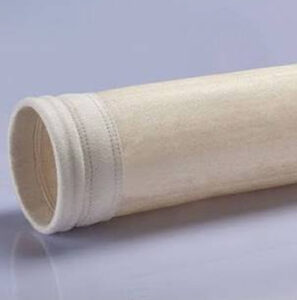
What Is Nomex Filter Bag? A Beginner’s Complete Guide
A dust collector can look ordinary from the outside while…
Read More →

When we talk about industrial dust collection, most of the attention goes to the fabric bags. It makes sense; the bags are the parts that actually “catch” the dust. However, at ClipOn, we know a secret that many plant managers miss: your filter bag is only as good as the frame that holds it.
That frame is the bag filter cage. If the bag is the “skin” of your filtration system, the cage is the “skeleton.” Without a strong, smooth, and well-made skeleton, your expensive filter bags will fail long before they should.
In this guide, we will explain why the cage is the unsung hero of your plant and how choosing the right filter bags suppliers can save you thousands of dollars in maintenance.
In a pulse-jet baghouse, air flows from the outside of the bag to the inside. This pressure would collapse a fabric bag instantly if nothing were there to hold it open. The bag filter cage provides that internal support.
It keeps the bag open so air can pass through. During the cleaning cycle, a blast of compressed air is shot down into the bag, causing it to flex outward and then snap back against the cage. This constant movement means the relationship between the bag and the cage is very physical. If that relationship is “rocky,” your bags will pay the price.
The most common reason for a filter bag to fail is a hole. Often, these holes are caused by the cage itself. If a cage has a sharp wire, a burr from a bad weld, or a spot of rust, it acts like a knife.
Every time the bag pulses, it rubs against those sharp spots. Over time, the fabric wears thin and rips. A high-quality bag filter cage from ClipOn is engineered to be perfectly smooth. By removing these friction points, you can often double the life of your bags.
If a cage is too small for the bag, the fabric will be loose and sag. This creates “dead zones” where dust settles and never leaves. If the cage is too large, the bag is stretched too tight, making it hard for the pulse of air to move the fabric and knock the dust off.
When you work with expert filter bags suppliers, they ensure the “fit” is perfect. A snug fit allows the bag to flex just enough to shed dust without putting too much stress on the seams of the fabric.
In many plants, the air inside the baghouse is not just dusty—it is corrosive. Moisture, acids, and high heat can turn a cheap metal cage into a rusty mess in a matter of months.
Rust is a major enemy of filtration. It makes the surface of the cage rough, which shreds the bag. It can also flake off and contaminate your collected dust. At ClipOn, we offer cages with specialized coatings:
Not all cages are built the same way. The number of vertical wires in a bag filter cage matters. If you have too few wires, the fabric of the bag will “pancake” or sag between them. This reduces the surface area available for filtration.
A cage with 10, 12, or even 20 vertical wires provides a rounder, more stable shape. This keeps the bag taut and ensures that every square inch of your filter is actually working to clean the air.
Many plants try to save money by buying the cheapest cages they can find. This is often a mistake. A cheap cage that warps or rusts will destroy a premium filter bag in weeks.
As your trusted filter bags suppliers, ClipOn looks at the whole system. We don’t just sell you a part; we provide a solution. We make sure your cages are straight, the welds are clean, and the material is right for your specific environment.
How do you know if your “skeletons” are failing? Look for these red flags:
Think of your filter bags as an investment. To get the best return on that investment, you need to support them with the best cages possible. A high-quality bag filter cage reduces friction, improves cleaning efficiency, and prevents premature bag failure.
At ClipOn, we are committed to helping you run a cleaner, more efficient plant. Our cages and bags are designed to work together in perfect harmony, even in the toughest industrial conditions.
Ready to give your filtration system the support it deserves? Don’t let a poor-quality cage ruin your expensive bags.
Visit ClipOn.io today to see our full range of baghouse accessories. Our team can help you design a custom cage and bag setup that fits your plant perfectly. Let’s work together to extend the life of your filters and keep your air clean for years to come.
A dust collector can look ordinary from the outside while…
Read More →
A baghouse problem rarely begins when someone notices dust. It…
Read More →
A filter bag rarely fails with a dramatic warning. More…
Read More →