What Is Nomex Filter Bag? A Beginner’s Complete Guide
A dust collector can look ordinary from the outside while…
Read More →

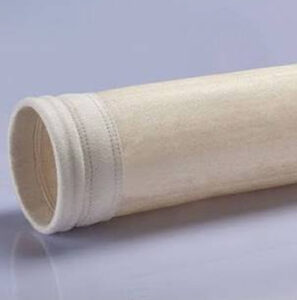
Industrial boilers are the heart of many plants. They provide the steam and heat needed for everything from power generation to food processing. However, they also produce high-heat exhaust and fine fly ash. This is where a boiler bag filter becomes your most important piece of equipment.
At ClipOn, we know that managing air quality in high-heat settings is a challenge. If your filters fail, your whole plant can slow down. In this guide, we will show you how to get the best performance from your filtration system and why choosing the right industrial filters suppliers makes all the difference.
Filtering a boiler is not like filtering a standard workshop. You are dealing with two main enemies: heat and chemistry.
Boiler exhaust is hot. It often reaches temperatures that would melt standard plastic filters. It also contains gases that can turn into acids if the temperature drops too low. To keep your plant running, your baghouse must be tough enough to handle these shifts without tearing or clogging.
The first step to optimization is the fabric. You cannot use a “one size fits all” approach here. Since boilers run hot, you need specialized materials.
Working with experienced industrial filters suppliers like ClipOn ensures you get the exact fabric blend for your specific boiler type.
One of the biggest causes of filter failure is moisture. Inside a boiler baghouse, if the temperature drops too low, the gases turn into liquid water. This is called the “dew point.”
When dust meets water inside the filter, it creates a thick mud. This mud “blinds” the bag, meaning air can no longer pass through. To optimize performance, you must keep the baghouse insulated and ensure the operating temperature stays safely above the dew point.
Most boiler systems use “pulse-jet” cleaning. This uses a blast of air to knock dust off the bags. However, many plants clean their bags too often.
Cleaning causes wear and tear. If you pulse the bags every few seconds, you will wear them out fast. The goal is to clean based on “pressure drop.” Only trigger the air blast when the dust layer is thick enough to slow down the air. This saves energy and makes your bags last much longer.
A filter bag is only as good as the cage inside it. The cage acts as the skeleton. In high-heat boiler use, metal expands and contracts.
If your cages are cheap or poorly made, they can warp. A warped cage will rub against the fabric, causing holes. At ClipOn, we provide high-quality support cages that stay straight and smooth, protecting your investment from the inside out.
You don’t want to find a leak when the government inspector shows up. A small hole in one boiler bag filter can lead to a visible cloud of smoke from your stack.
We recommend a “fluorescent leak test.” You put a special powder into the system that glows under UV light. It quickly shows you exactly which bags have even the tiniest holes. Catching these early keeps you in compliance and keeps the air clean.
When your boiler filters are running at their peak, your whole plant wins:
Optimizing a boiler is a technical job. You need more than just a part number; you need a partner who understands the science of airflow and heat.
As leading industrial filters suppliers, ClipOn is dedicated to helping you find the right solutions. Whether you are dealing with high-sulfur coal, biomass, or oil-fired boilers, we have the bags and the expertise to keep your air clear.
Don’t let a clogged filter slow down your production. If you want to lower your costs and improve your plant’s performance, it’s time to look at your filtration strategy.
Visit ClipOn.io to see our full range of boiler bag filters and accessories. Our team is ready to help you choose the best materials for your specific industrial needs. Let’s make your plant more efficient, one bag at a time.
A dust collector can look ordinary from the outside while…
Read More →
A baghouse problem rarely begins when someone notices dust. It…
Read More →
A filter bag rarely fails with a dramatic warning. More…
Read More →