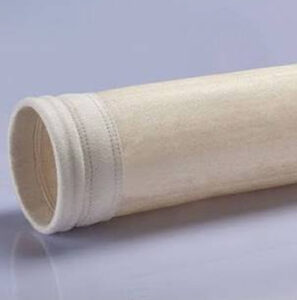
What Is Nomex Filter Bag? A Beginner’s Complete Guide
A dust collector can look ordinary from the outside while…
Read More →

In the heart of your baghouse, there is an unsung hero: the filter cage. While we often talk about the filter bags themselves, the cage is the skeleton that keeps them upright, open, and breathing. At ClipOn, we see many plants choose a cage “just because it’s there,” but the material you choose, Galvanised vs Stainless Steel, is a decision that impacts your entire bottom line.
If you pick the wrong material, you aren’t just looking at a rusty cage; you are looking at premature bag failure, snagged fabric, and higher maintenance costs. In this blog, we will help you decide which material is right for your plant.
A cage does one job, but it does it under pressure. It must hold the bag open so air can flow evenly across the entire fabric surface. When the pulse-jet system fires, the cage acts like a frame, preventing the bag from collapsing. If the cage starts to corrode, it becomes rough. A rough cage acts like a file, rubbing against the inside of your filter bag until it rips.
Galvanised steel is the most common cage material in India. It is essentially carbon steel coated with a layer of zinc. This zinc coating acts as a shield against moisture.
Galvanised steel is not magic. If your plant has high humidity or is exposed to acidic gases (like sulfur), the zinc coating will eventually wear off. Once the zinc is gone, the steel beneath it will rust. That rust will create sharp, jagged edges that will destroy your filter bags from the inside out.
Stainless steel is the elite choice. It contains chromium, which gives it a natural ability to resist rust without needing an extra coating.
It is more expensive. However, at ClipOn, we tell our clients: Don’t look at the upfront cost. If you are replacing your bags every year because of a rusty galvanised cage, paying more for stainless steel once is a massive bargain.
At ClipOn, we look at your plant’s “chemistry” before we recommend a cage. Here is our simple guide:
Regardless of whether you choose Galvanised or Stainless Steel, the build quality matters most. A poorly made cage is a disaster waiting to happen.
At ClipOn, our cages are “Engineered for Precision”:
Next time your team opens the baghouse, take a look at the cages:
Choosing the right cage is about preventing the “hidden” failures that hurt your production efficiency. Galvanised steel is great for dry, simple applications, while stainless steel is the ultimate insurance policy for harsh, acidic, or wet environments.
At ClipOn, we help you make the right choice based on your specific plant conditions. We don’t just sell components; we sell the peace of mind that comes from knowing your baghouse is built to last.
Ready to upgrade your cages? Visit us at www.clipon.io to see our range of high-precision cages. Whether you need the economy of galvanised or the long-life performance of stainless steel, we have the perfect skeleton for your filtration system!
A dust collector can look ordinary from the outside while…
Read More →
A baghouse problem rarely begins when someone notices dust. It…
Read More →
A filter bag rarely fails with a dramatic warning. More…
Read More →