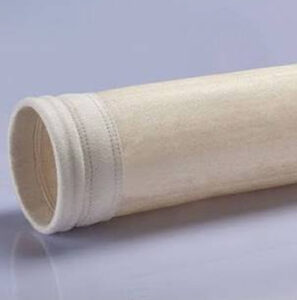
What Is Nomex Filter Bag? A Beginner’s Complete Guide
A dust collector can look ordinary from the outside while…
Read More →

In the world of industrial air quality, the baghouse is the plant’s powerhouse. But not all baghouses work the same way. At ClipOn, we see many different types of systems in the field, each with its own “personality” and cleaning method.
If you are a plant manager, you know that the “cleaning method” is the most important part of your system. It determines how often you need to replace your filter bags and how much energy your plant uses every day. In this blog, we will look at the three main types of bag filter systems: Shaker, Reverse-Air, and Pulse-Jet.
Shaker systems are among the oldest methods for cleaning filter bags. In this design, the tops of the filter bags are attached to a motorised frame. When the cleaning cycle begins, the fan stops, and the frame physically “shakes” the bags back and forth.
Reverse-air systems are designed for large-scale operations where a complete shutdown is not an option. Instead of shaking the bags, this system uses a rotating manifold to blow clean air backwards through the bags.
The pulse-jet system is the most common design in modern manufacturing. It is fast, efficient, and doesn’t require the plant to stop for cleaning.
To help you understand the differences, here is how we break it down:
| System Type | Cleaning Method | Can it run continuously? | Best Dust Type |
| Shaker | Mechanical vibration | No | Light, non-sticky |
| Reverse-Air | Backward air flow | Yes | Large-scale, high-volume |
| Pulse-Jet | High-pressure blast | Yes | Fine, heavy, abrasive |
Regardless of which system your plant uses, the bag you choose must be “tuned” to that specific cleaning method.
At ClipOn, we don’t just sell bags. We sell compatibility. We look at your system’s cleaning logic and ensure that our bags will not just fit, but actually improve the way your system cleans itself.
Choosing among shaker, reverse-air, and pulse-jet is often determined by your plant’s design. But regardless of the system you have, the filtration media inside is what keeps you compliant and productive.
At ClipOn, we are here to help you get the most out of your baghouse. We understand the physics of every cleaning method, and we build bags that work with your system, not against it.
Ready to upgrade your filtration?
Visit us at www.clipon.io. Whether you need bags for a gentle reverse-air system or a high-pressure pulse-jet unit, we have the perfect fit for your factory!
A dust collector can look ordinary from the outside while…
Read More →
A baghouse problem rarely begins when someone notices dust. It…
Read More →
A filter bag rarely fails with a dramatic warning. More…
Read More →