
Regular bags capture dust deep inside the fabric, which clogs them fast. PTFE membranes trap dust on the surface instead, so cleaning is easier and efficiency stays high.


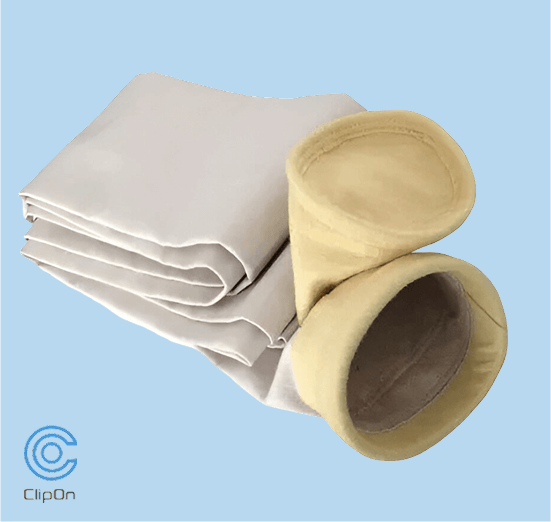
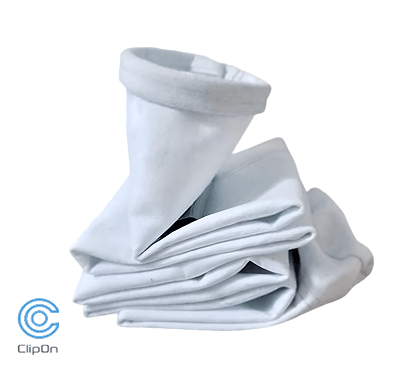
Over the years, ClipOn has earned its reputation as one of the most reliable names in filtration. Unlike generic suppliers, we don’t just push out bags—we engineer them to deliver real performance where it matters most. Our PTFE membrane filter bags are made to withstand harsh chemicals, extreme heat, and abrasive dust without breaking down early.
Being among the established membrane filter bag manufacturers, we know every industry has different challenges. That’s why we tailor our solutions for each application. From cement kilns to steel plants to power stations, our PTFE bags are tested and proven to last where conventional felt or woven filters fail.

PTFE can handle rough gases, strong chemicals, and high heat without falling apart. ClipOn bags made with PTFE don’t wear out early—they last.

These bags don’t give out quickly, so you won’t be stopping the line to swap them out all the time. That saves time and money.

Dust doesn’t get stuck deep in the fabric. The PTFE layer keeps the bag filtering like it should—cleaner air, fewer worries about breaking the rules.

The smooth membrane surface releases dust quickly during cleaning cycles, reducing back pressure and saving on compressed air with every pulse.

Our bags are designed to slot neatly into existing collector systems and pair seamlessly with ClipOn’s cages, so installation is quick and stress-free.

ClipOn PTFE membrane filter bags are built for tough industries, with finishes that protect against moisture, static, and dust build-up.
It’s this dedication to detail that places ClipOn firmly among leading membrane filter bag manufacturers trusted worldwide.
We’re not here to just sell you parts. At ClipOn, we make full filtration systems that actually work. That means our PTFE membrane filter bags are built to fit perfectly with our cages and add-ons.
We double-check every stitch and measurement. We only use top-grade materials, and we’re strict about quality from start to finish. That way, things don’t break down when you least expect them, saving you money, stress, and surprise shutdowns.
Pick ClipOn, and you’re teaming up with a trusted name in filter bags, a team that knows its stuff and puts you first.
Need a sample? Want a quote? Tell us what you need. With ClipOn, solid filtration starts right here.
View our products now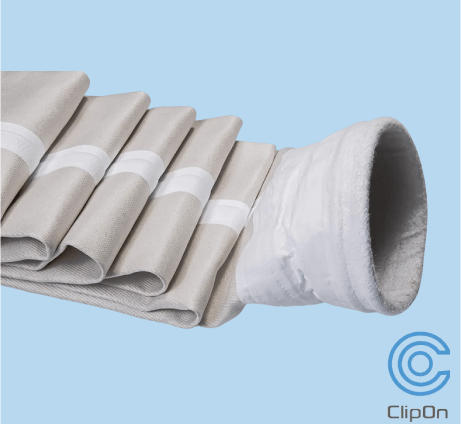
Yep. We tweak the coatings, stitching, and finishes to fit your setup—hot, damp, or full of harsh stuff.
Usually two to three times longer than regular ones. So you won’t be changing them out nearly as often. Less hassle, more uptime.
Not at all. Our bags are designed to fit standard cages, including ClipOn’s durable range. You can upgrade your filtration without replacing your hardware.
Yes. Because the membrane surface sheds dust more easily, the system doesn’t need as much pressure during cleaning cycles. That directly reduces air consumption and power costs.