


HEPA / ULPA Filter
Specify the exact class (e.g., HEPA H13, ULPA U15)
HVAC & Industrial Air Filtration
ClipOn supplies panel filters for air-handling and ventilation systems, with dimensions, media and frame details selected for the installation. Send the existing filter label or specification, actual size and quantity for a quotation.
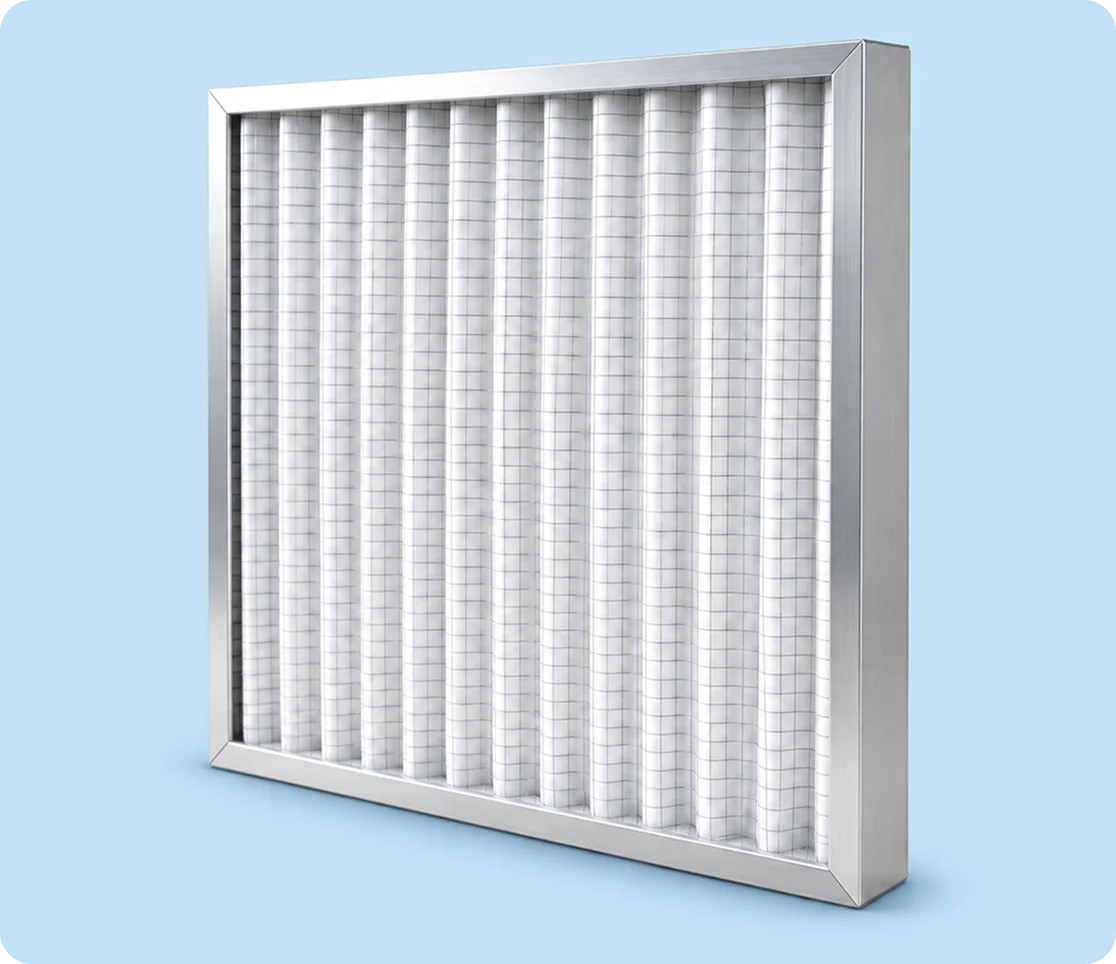
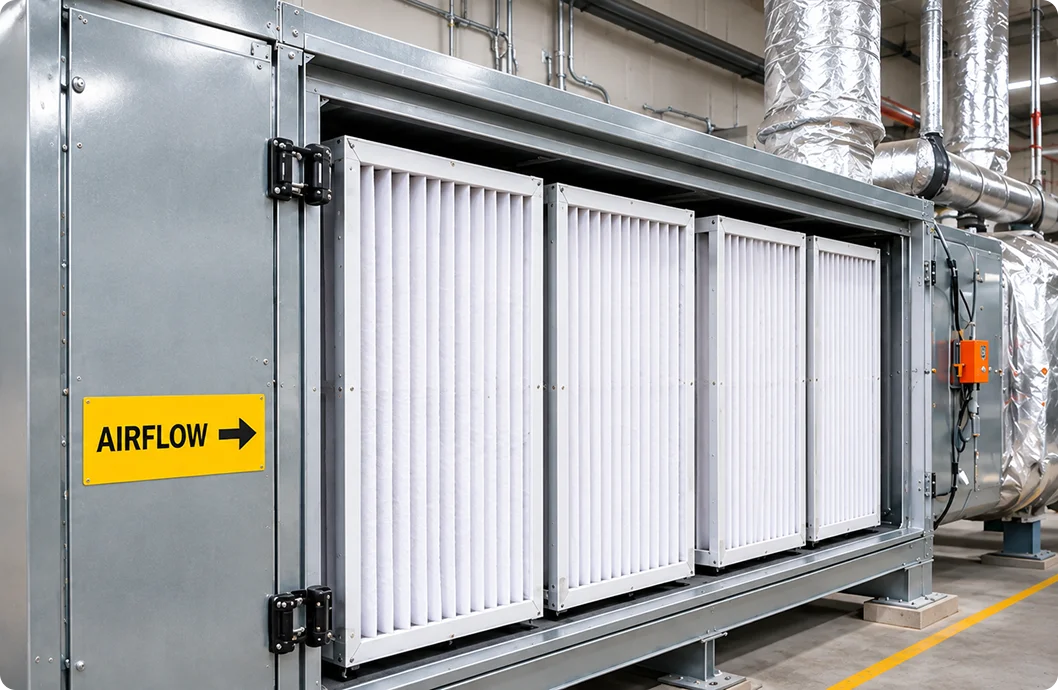
A panel filter may serve as a prefilter or another specified stage in an air-handling system. Selection needs to account for the required particle removal, airflow and pressure drop, as well as the space available.
A replacement must seal correctly in its housing. Confirm the actual width, height and depth, frame arrangement and gasket details rather than relying on the nominal size alone.
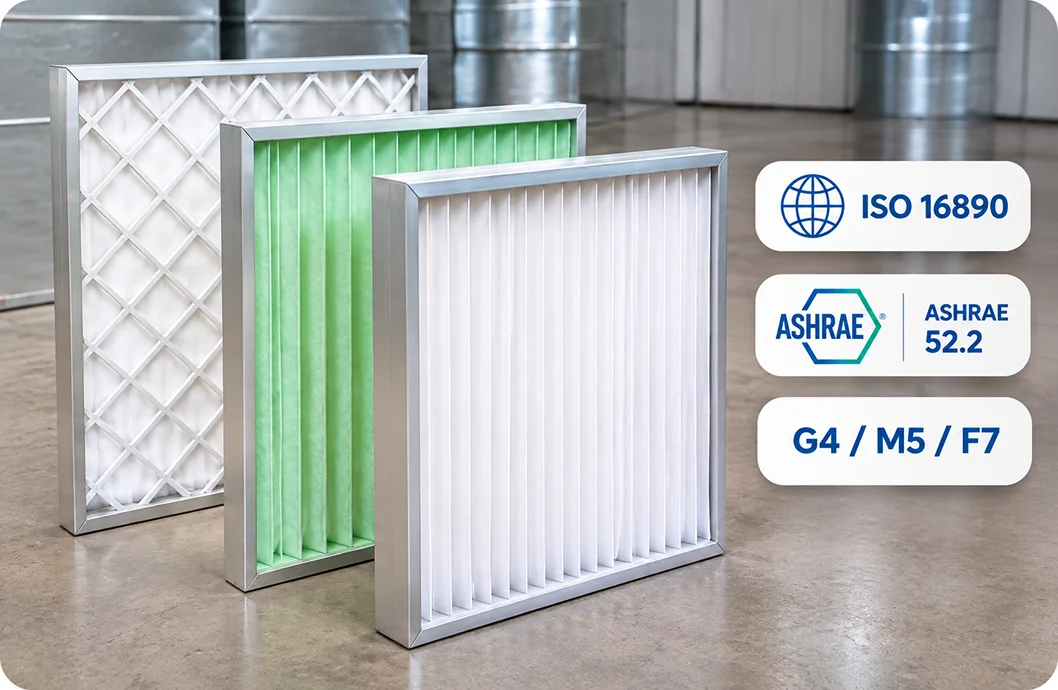
For general ventilation, include the specified ISO 16890 classification or ASHRAE 52.2 MERV rating where applicable. If an older specification uses G4, M5 or F7 terminology, send the original requirement or report so it can be reviewed.
Different classification systems use different tests. Their labels should not be treated as exact equivalents.
If the requirement is for a HEPA or ULPA filter, send the exact class, test standard and application. These need a separate specification review.
A general ventilation panel filter should not be assumed to satisfy a cleanroom or process containment requirement.
Specify the exact class (e.g., HEPA H13, ULPA U15)
State the required standard: EN 1822 or ISO 29463.
Mention the intended application (e.g., cleanroom, process containment)
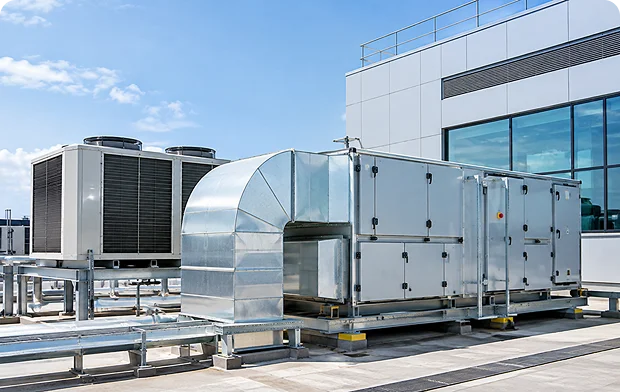
Panel filters are used in commercial HVAC and industrial ventilation, including manufacturing and food-processing facilities. Hospitals and controlled environments use filtration systems with application-specific requirements; the filter stage and specified class must be established for each enquiry.
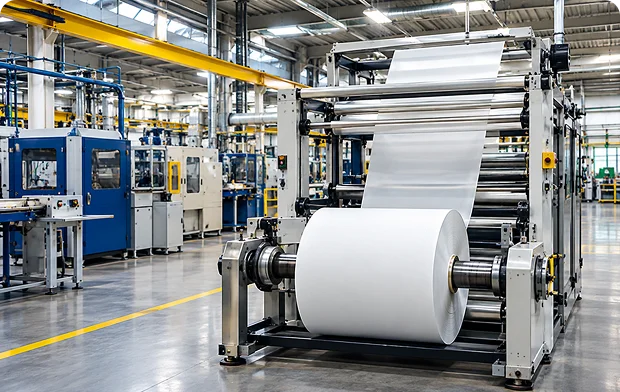
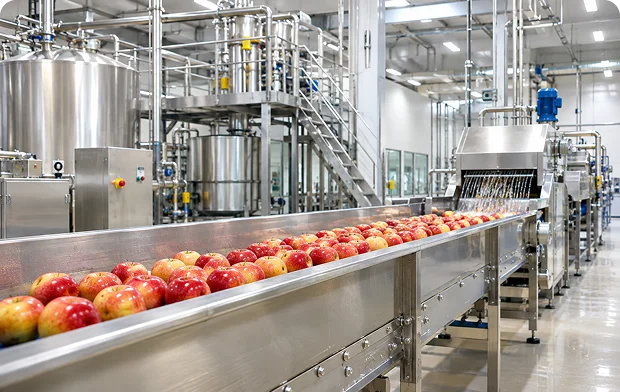

If filters clog quickly or air appears to bypass the frame, send the current specification and photographs of the installed filter. We can review the replacement requirements and identify what further checks are needed on airflow, sealing or upstream dust loading.
Check for airflow restrictions or changes.
Confirm the filter is properly sealed with the frame.
Review dust levels before the filter.
Considering a higher-efficiency filter? Check its pressure drop at the required airflow and confirm that your system can accommodate it.
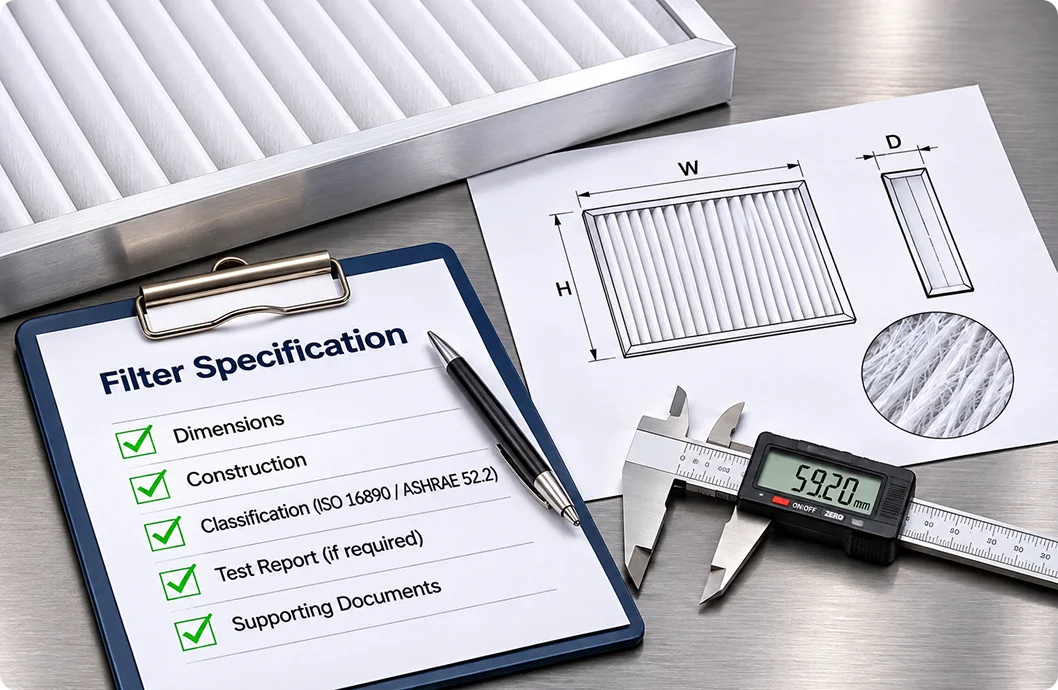
We agree the filter dimensions, construction, classification requirement and available supporting documentation with the quotation. If your approval process needs a particular test report, include that requirement before ordering.
A clear photograph of the existing filter label and the actual dimensions is a useful start. Add quantity, destination and any airflow or pressure-drop requirement. We will confirm the specification and dispatch schedule for the proposed product.
They appear in many existing specifications based on EN 779. Send the existing label or datasheet. Current general-ventilation requirements may use ISO 16890, and an exact conversion should not be assumed.
No. MERV (ASHRAE 52.2) and ISO 16890 use different test methods. Treat them as related rating systems, not exact equivalents. Send the rating system named on your specification.
Yes. Send the actual width, height and depth with units, plus frame and gasket details. Nominal catalogue sizes alone are not enough for a correct fit.
A higher-efficiency filter can increase pressure drop. Check the pressure drop at the required airflow and confirm that your system can accommodate it before changing class.
It depends on the media and construction. Many disposable panel filters are not designed for washing. Share the current specification and cleaning method so we can advise.
No. Filter class and cleanroom classification are different. A general ventilation panel filter should not be assumed to satisfy a cleanroom or process containment requirement.