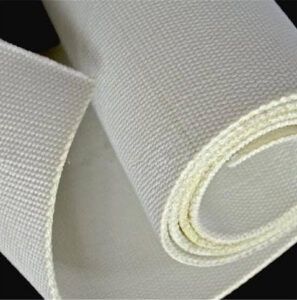
Fluidising Fabrics: How Air Slide Fabrics Improve Powder Flow in Cement Plants
Cement powder can stop a production line without anything “breaking.”…
Read More →

When a dust collector starts demanding more attention than the production line,. Rising pressure drop, frequent cleaning, unexpected bag changes, and shutdowns can turn filtration into an expensive distraction. A practical nomex filter bag step by step approach is straightforward: understand the process, confirm whether Nomex suits it, capture correct dimensions, choose the right construction, install carefully, monitor performance, and learn from every replacement. This playbook shows how to do that.
Record normal operating temperature, short temperature spikes, dust type, moisture, chemicals in the gas stream, airflow, and the collector’s cleaning method. This one-page snapshot gives a supplier more useful information than simply saying, “We need Nomex bags.”
ClipOn specifies its Nomex filter bags for continuous operation up to 200°C and short-term peaks up to 250°C. Your actual conditions still need to be checked against the selected construction.
Nomex filter bag example: a small asphalt unit may run comfortably during normal production but experience hotter startup periods. Recording both conditions prevents selection around an incomplete temperature number.
Now test the material against the whole environment.
Ask three questions: Is the temperature suitable? What chemicals or moisture can reach the bags? How abrasive is the dust?
Baghouse performance can change under excessive temperature or condensation. The US EPA notes that high temperatures can damage fabric filters, while condensation can contribute to bag blinding and airflow restriction.
One of the most useful nomex filter bag tips is simple: do not buy by material name alone. Share process chemistry and abnormal operating conditions with the supplier before approving the media.
For replacement projects, the old bag is your starting point, not your specification.
Confirm bag diameter, length, top construction, bottom construction, snap-band or cuff details, cage dimensions, and special seams or finishes. Photograph the installation before removal.
If drawings exist, compare them with physical measurements rather than assuming the collector has never been modified. Then create one approved dimension sheet for quotations. It keeps competing offers comparable and reduces avoidable back-and-forth during procurement.
This is where smart purchasing beats cheap purchasing.
Discuss whether the application needs standard Nomex felt, a surface treatment, membrane, or customised construction. ClipOn offers customised Nomex filter bags and positions them for applications including cement, steel, power, asphalt, and chemical processing.
Do not add features because they sound advanced. Link every specification to a real problem: difficult dust release, fine particulate, abrasion, moisture, or another verified operating condition.
For a small business, unnecessary specification wastes budget just as easily as under-specification can shorten bag life.
A premium bag installed badly is still a badly functioning bag.
Before installation, inspect cages for corrosion, sharp edges, bent wires, or damaged components. Clean the tubesheet area and handle bags carefully to avoid tears or contamination. Make sure each bag is seated and supported correctly.
Do not rush because production is waiting. An installation shortcut can create a troubleshooting problem that lasts much longer than the shutdown.
Keep one unused spare bag as a reference. Maintenance staff can later compare worn bags against the original construction when investigating damage.
Small plants do not need complicated dashboards to learn from their baghouse.
Track inlet temperature, differential pressure, cleaning behaviour, visible emissions or leakage indicators, and unusual maintenance events. Differential pressure rises as dust builds on fabric filters, making pressure behaviour a useful operating indicator.
Record readings consistently and watch trends rather than isolated numbers. The EPA also identifies inlet temperature, gas flow, cleaning-system operation, and pressure differential among useful fabric-filter performance indicators.
That simple log may reveal when “bad bags” are actually connected to cleaning, airflow, temperature, or process changes.
When bags come out, inspect them before disposal.
Look for abrasion zones, holes, hardened dust, discolouration, seam damage, unusual deposits, or repeated failures in one collector area. Note operating hours and why each bag was replaced.
These become valuable nomex filter bag examples because they come from your own plant.
Use the evidence to improve the next specification. Perhaps construction needs adjustment. Perhaps a cage is causing wear. Perhaps temperature excursions need attention. Perhaps cleaning behaviour changed.
That is the real value of a nomex filter bag step by step process: each replacement cycle becomes more informed than the previous one.
For small businesses, good filtration management is not about creating more paperwork. It is about preventing avoidable surprises.
Capture seven things consistently: operating conditions, media suitability, dimensions, construction, installation quality, performance trends, and failure evidence. Those records improve supplier conversations and give you a clearer basis for comparing quotations.
Reviewing a high-temperature dust collection application? Talk to ClipOn about your operating conditions, dimensions, and required construction. Explore ClipOn’s Nomex filter bag solutions and build your next specification around real process needs, not guesswork.
Cement powder can stop a production line without anything “breaking.”…
Read More →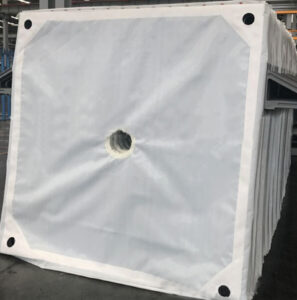
A filter press can be perfectly sized and still disappoint…
Read More →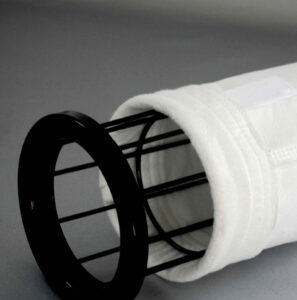
A failed filter bag is rarely just torn fabric. It…
Read More →