Dust Collector Pressure Drop: Causes, Warning Signs and How to Fix It
A dust collector problem can begin with a climbing differential…
Read More →

Choosing between cartridge filters vs filter bags looks simple until production exposes the weaknesses. A cartridge may save floor space but struggle with difficult dust. A filter bag may tolerate harsher conditions but demand a larger housing. The cheapest option on a quotation can become the more expensive choice after pressure drop, cleaning frequency, replacement labour, and downtime are counted.
So which is better?
Neither, by default. The right answer depends on what your plant is asking the filter to survive. Instead of comparing two products in isolation, compare how they behave inside your actual process.
Cartridge filters use pleated media packed into a compact element. The pleats create a large filtration area within a relatively small footprint, making cartridges attractive when installation space is limited.
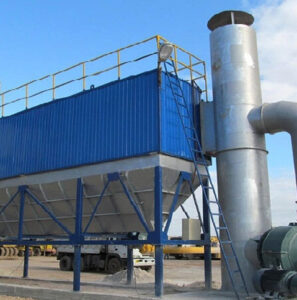
Dust collector filter bags use fabric tubes or other bag configurations, supported by cages in a baghouse. Their construction can suit high dust loading, larger air volumes, elevated temperatures, and applications requiring specialised media.
That construction difference influences nearly every decision that follows.
Choose cartridges when compactness is a constraint.
Their pleated geometry places considerable filtration surface inside a smaller collector. This can suit metalworking, powder coating, pharmaceutical processing, food production, mineral processing, shot blasting, and other applications involving fine, relatively dry particles.
Media selection remains important. Polyester, cellulose blends, PPS, aramid, and other constructions change how a cartridge handles moisture, temperature, chemicals, and fine particles.
The key caution is dust behaviour. Deep or tightly spaced pleats can become difficult to clean when dust is sticky, fibrous, cohesive, or prone to packing. Large filtration area provides little benefit if much of it becomes loaded and cannot release dust effectively.
Filter bags earn their place in demanding environments.
Baghouses are used where dust concentrations and gas volumes are substantial. Depending on media selection, bags can also accommodate higher temperatures, chemical exposure, abrasive dust, and challenging process conditions.
Material flexibility is another advantage. Polyester may suit moderate dry service, while aramid, PPS, PTFE, glass fibre, acrylic, and other media extend the operating envelope for heat, moisture, corrosion, or specialised filtration requirements.
Filter bags can also use singed, glazed, hydrophobic, oleophobic, acid-resistant, or PTFE membrane finishes to address specific dust-release challenges.
If your plant has heavy loading, difficult chemistry, large airflow, or high temperature, the cartridge filters vs filter bags decision should examine whether a baghouse provides a more forgiving operating window.
A brochure may show an impressive efficiency figure, but that number does not tell you how the filter will behave months into production.
Consider air-to-media ratio, pressure drop, cleaning energy, dust-cake release, temperature, humidity, particle shape, particle size, chemistry, and required emissions performance.
An efficient cartridge that blinds rapidly may create rising differential pressure and frequent maintenance. In another plant, a compact cartridge collector may achieve the required control while using significantly less floor space.
This is why cartridge filters vs filter bags should be evaluated as a system decision, not a media-efficiency contest.
Start with the process rather than the catalogue.
What dust are you collecting? Is it fine, abrasive, sticky, fibrous, oily, hygroscopic, combustible, or chemically aggressive? What are the normal and peak temperatures? Is moisture present? What airflow must the collector handle? How much space is available? What cleaning system is used? How often can maintenance stop production?
Also examine your current pain point.
If filters fail prematurely, identify why. If pressure drop rises quickly, determine whether dust loading, airflow, moisture, cleaning performance, or media choice is responsible. If replacement consumes excessive maintenance time, accessibility deserves greater weight.
These answers are more valuable than asking which technology is “best.”
Purchase price is only one line in the real filtration bill.
Include fan energy, compressed air for cleaning, replacement frequency, maintenance labour, disposal, production interruptions, and the cost of poor dust capture. A filter that costs more initially can be economical if it stays stable longer and reduces intervention.
The reverse is also true. Premium media is wasted when the application does not require it.
If space is tight and the dust is compatible with pleated filtration, cartridges can provide high surface area in a compact system. If your process involves heavy dust loading, large gas volumes, high temperatures, or demanding chemistry, filter bags may offer greater flexibility.
ClipOn manufactures both cartridge filters and dust collector filter bags, allowing selection to begin with plant conditions rather than a preference for one format.
When evaluating cartridge filters vs filter bags, share your dust characteristics, temperature, moisture, airflow, collector dimensions, cleaning method, emissions target, and current maintenance issues. The better filter is not the one with the longer feature list. It is the one your plant can consistently operate reliably, clean effectively, maintain safely, and afford over its full working life.
A dust collector problem can begin with a climbing differential…
Read More →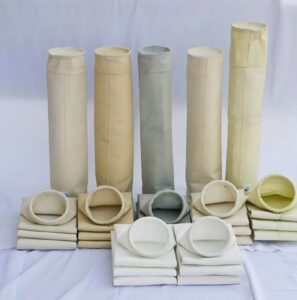
The most expensive filter bag is not always the one…
Read More →
What happens when filtration engineers, boiler operators, and maintenance leaders…
Read More →